
HyDRA Consortium
9
Research Partners
10+
Storage Site Operators
7
Expert Advisors
30+
Researchers
Consortium Partners
The HyDRA Consortium comprises 8 leading research institutions and 1 enterprise from 6 countries, forming an interdisciplinary network of over 30 researchers.





Work Package Leaders
Each of HyDRA’s 12 work packages is led by a Work Package Leader (WP Lead) and supported by an international team with diverse, interdisciplinary backgrounds.
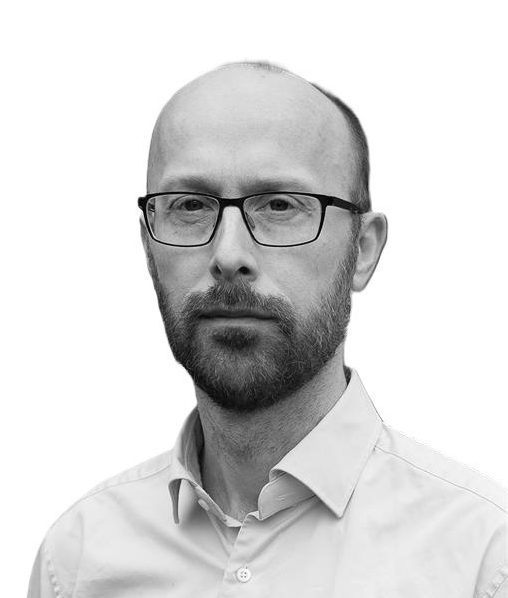
Prof. Martin Fernø
WP01 Lead | UiB | Email
WP01 Project Coordination
and Management
Prof. Fernø is the project coordinator of HyDRA and an award-winning physics professor at the University of Bergen (UiB) specializing in multiphase flow in porous media. His research focuses on capillary heterogeneities, permeability contrasts, and fracture dynamics, utilizing advanced imaging techniques such as MRI/NMR and CT to study displacement processes. His work has significant applications in enhanced oil recovery, CO₂ storage, and underground hydrogen storage. Prof. Fernø has been awarded the Meltzer Young Scientist Excellence Award and selected for the Young Academy of Europe. He is a founding member of the Fluidflower concept, a research initiative aimed at advancing our understanding of fluid dynamics in porous materials.
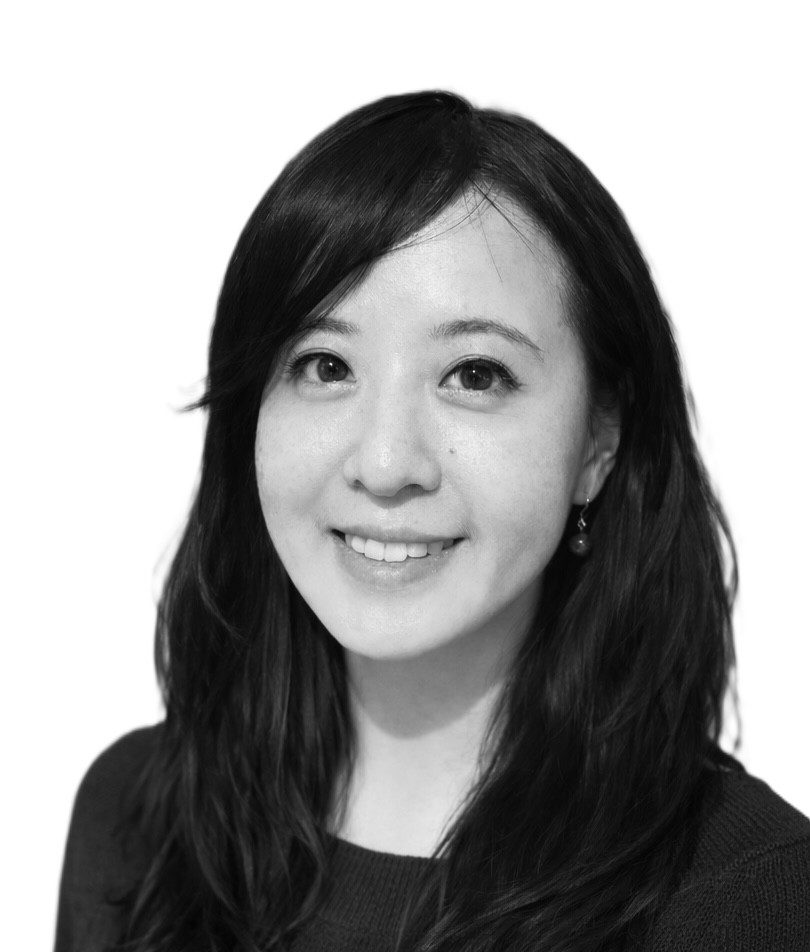
Ms. Merry H. Navjord
WP02 Lead | UiB | Email
WP02 Communication,
Exploitation and Dissemination
Ms. Navjord is the project manager of HyDRA and the administrative coordinator of HySchool – the Norwegian Research School on Hydrogen and Hydrogen-based Fuels at the University of Bergen (UiB). She holds a BSc in Chemistry from UiB and a MSc in Entrepreneurship from University of Oslo (UiO) / Gründerskolen (Norwegian School of Entrepreneurship). Ms. Navjord has extensive experience as an advisor at multiple higher education institutions in Norway. With a background in project management, content marketing and event coordination, she brings diverse experience from local, national and international organizations, including NLA, HVL and NFiP.
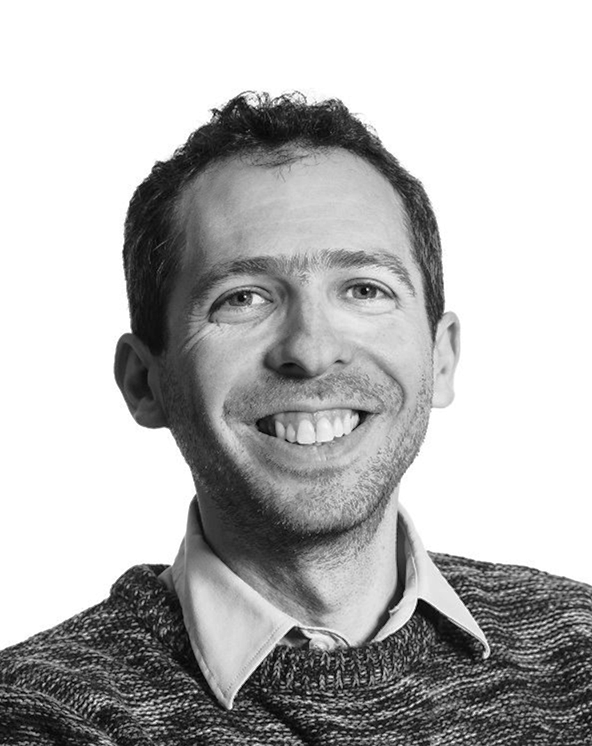
Dr. Peter Rendel
WP03 Lead | ESNZ I | Email
WP03 Method Alignment and Standardization
Dr. Rendel is a senior Geochemist in the Hydrothermal Systems Team at Earth Sciences New Zealand (ESNZ), New Zealand. He holds a BSc and MSc in geology and a PhD in geochemistry from Ben-Gurion University of the Negev, Israel. His work specializes in the kinetics and thermodynamics of fluid-rock interactions in porous media under high-pressure and high-temperature conditions. Dr. Rendel is actively leading projects focusing on advancing low-carbon GeoEnergy solutions such as conventional and supercritical geothermal energy, geological energy storage, carbon and hydrogen storage and, natural hydrogen production.
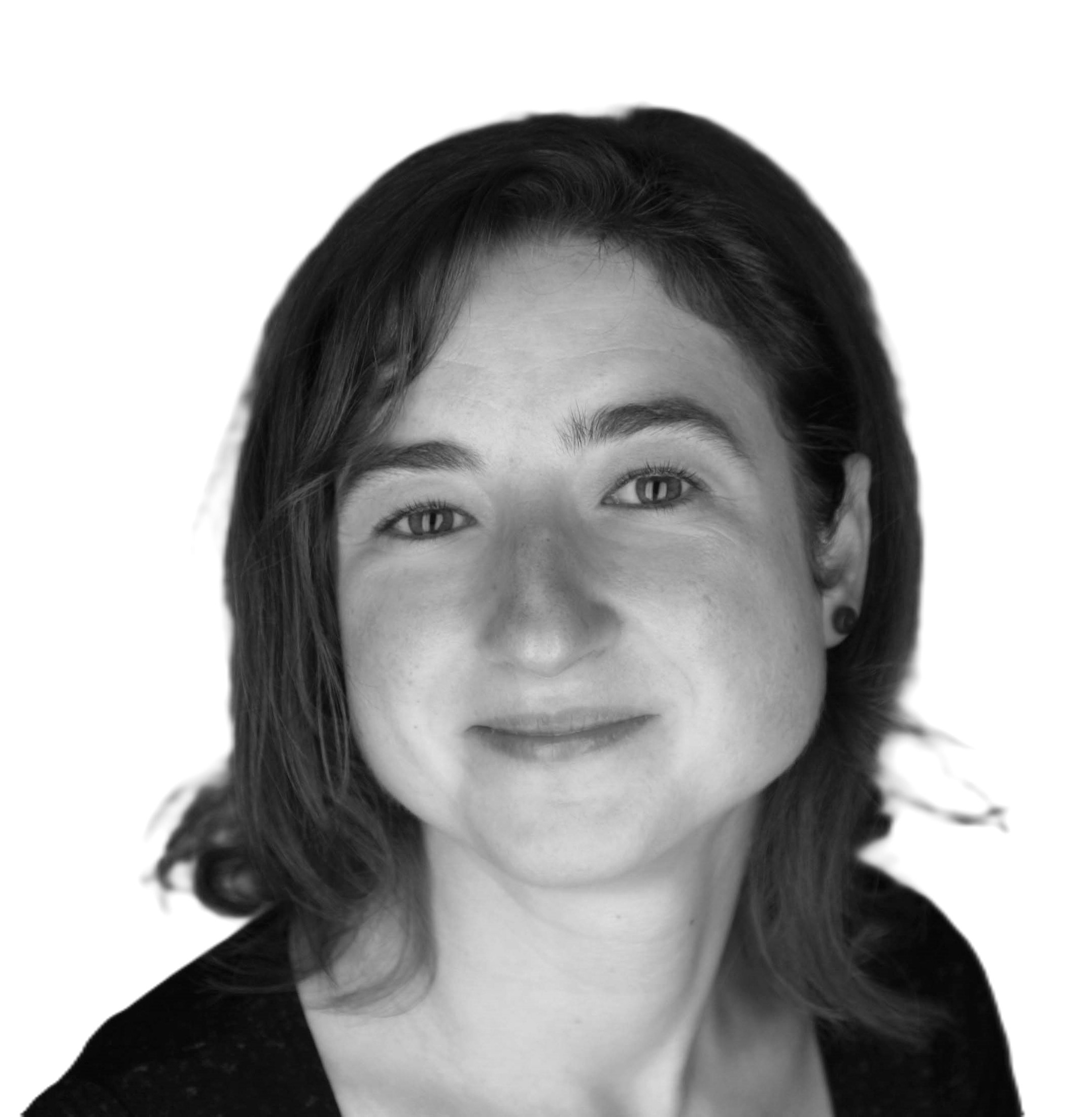
Dr. Petra Bombach
WP04 Lead | ISO | Email
WP04 Sample Collection and Characterisation
Dr. Bombach is a microbiologist with expertise in environmental geochemistry and microbial processes in contaminated environments. She earned her doctorate in 2009 from the Helmholtz Centre for Environmental Research in Leipzig, where she focused on using isotopically labeled compounds to study microbial pollutant degradation. Currently a project manager at Isodetect GmbH (ISO), Dr. Bombach investigates microbial activity in underground storage systems and aquifers, particularly assessing risks related to these environments. Her work contributes to environmental remediation strategies, including studying biodegradation processes in contaminated sites.

Prof. Donato Giovannelli
WP05 Lead | UNINA | Email
WP05 Taxonomic and Functional Diversity of UHS Microbial Communities
Prof. Giovannelli is an Italian microbiologist focused on understanding the emergence and evolution of life, as well as the co-evolution of the geosphere and biosphere. He combines microbiology with fieldwork and computational tools to study geobiological interactions in extreme environments such as deep-sea hydrothermal vents, hot springs, and Antarctica. His research has been funded by prestigious organizations like the European Research Council (ERC) and NASA. Currently tenured at University of Naples Federico II (UNINA), Prof. Giovannelli has contributed to numerous publications in high-impact journals and is also involved in the fields of nanotechnology and winemaking.
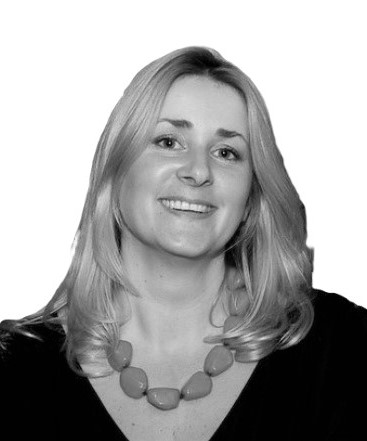
Prof. Katriona Edlmann
WP06 Lead | UEDIN | Email
WP06 Geochemical Reactions in Porous Media
Prof. Edlmann is a leading expert in sustainable energy and subsurface geoscience. She specializes in subsurface characterization, containment, and multiphase reactive transport, with a focus on ensuring the secure and sustainable use of subsurface resources for low-carbon energy solutions. Her research spans areas such as subsurface energy storage, carbon capture and storage, water management, and environmental monitoring.
Prof. Edlmann leads the Applied Geoscience Laboratory for Sustainable Energy at the University of Edinburgh (UEDIN), where she has over 25 years of experience in advancing understanding of subsurface processes to support the transition to a low-carbon energy future.
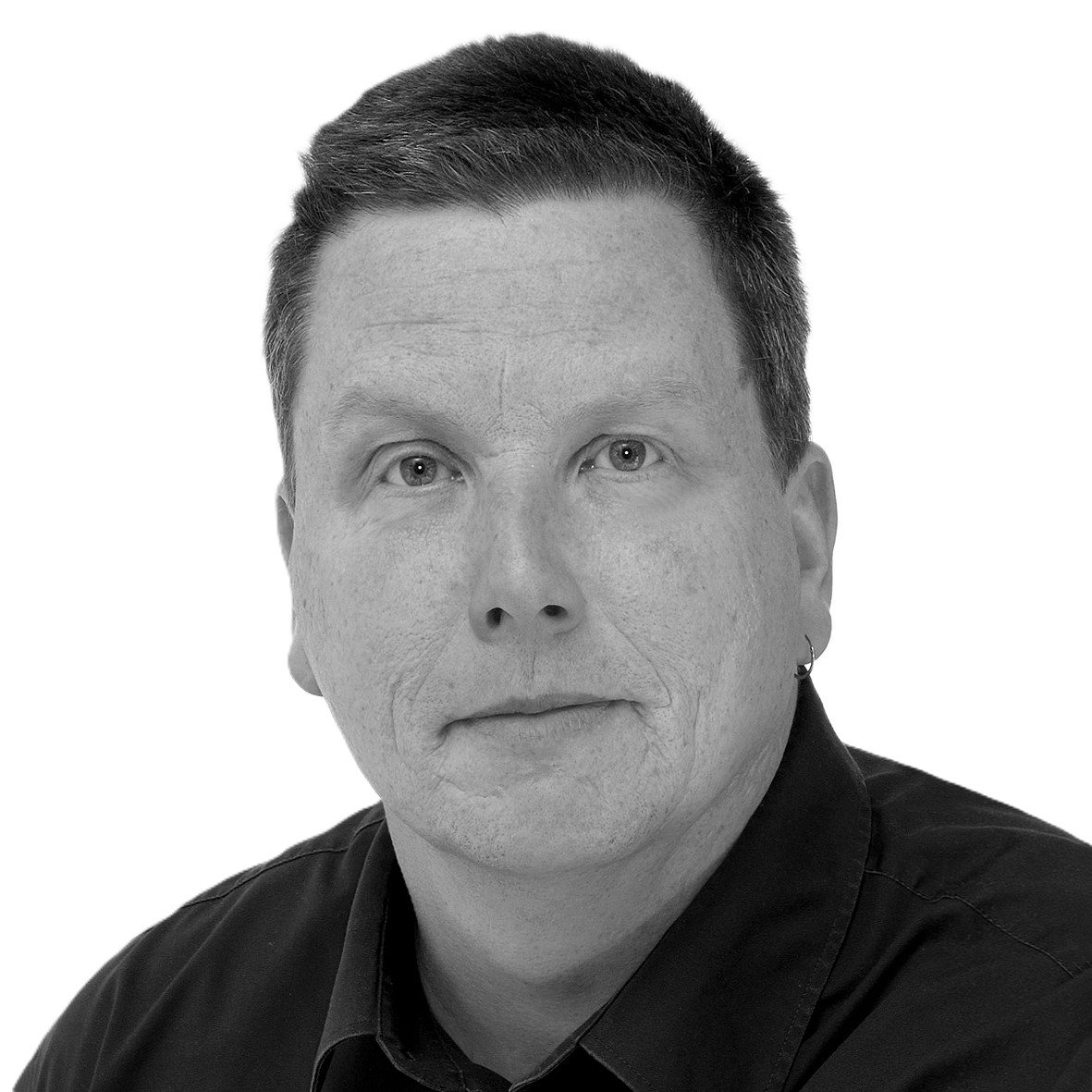
Dr. Martin Krüger
WP07 Lead | BGR | Email
WP07 Impact of Microbial Reactions on UHS in Porous Media
Dr. Krüger is a senior researcher at the Federal Institute for Geosciences and Natural Resources (BGR) in Hannover, Germany. His research focuses on microbial processes in subsurface environments, particularly those involved in hydrogen storage and hydrocarbon degradation. He studies microbial interactions under high-pressure conditions relevant to energy storage and resource management, contributing valuable insights into how microorganisms impact geological formations. His work is critical for improving the safety and efficiency of underground hydrogen storage and other subsurface energy solutions.
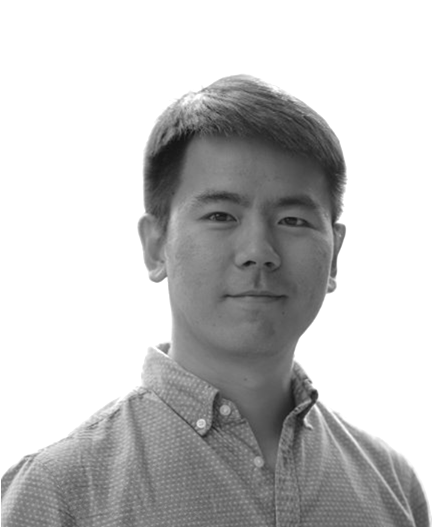
Dr. Chaojie Cheng
WP08 Lead | KIT | Email
WP08 Bio-Geochemical Reactions on Porous Rock Properties During UHS
Dr. Cheng is a researcher specializing in fluid flow and transport in fractured porous rocks, as well as fluid-rock interactions and rock mechanics. He is currently a postdoctoral researcher at the Karlsruhe Institute of Technology (KIT), focusing on subsurface processes relevant to underground hydrogen storage, deep geothermal energy, and sustainable energy solutions. Dr. Cheng earned his Ph.D. in Hydrogeology from the University of Potsdam and has contributed to key projects like the EU H2020 MEET project. His research utilizes laboratory experiments ranging from microfluidic to core-scale studies, aiming to understand the long-term behavior of subsurface reservoirs and improve energy storage and extraction techniques.
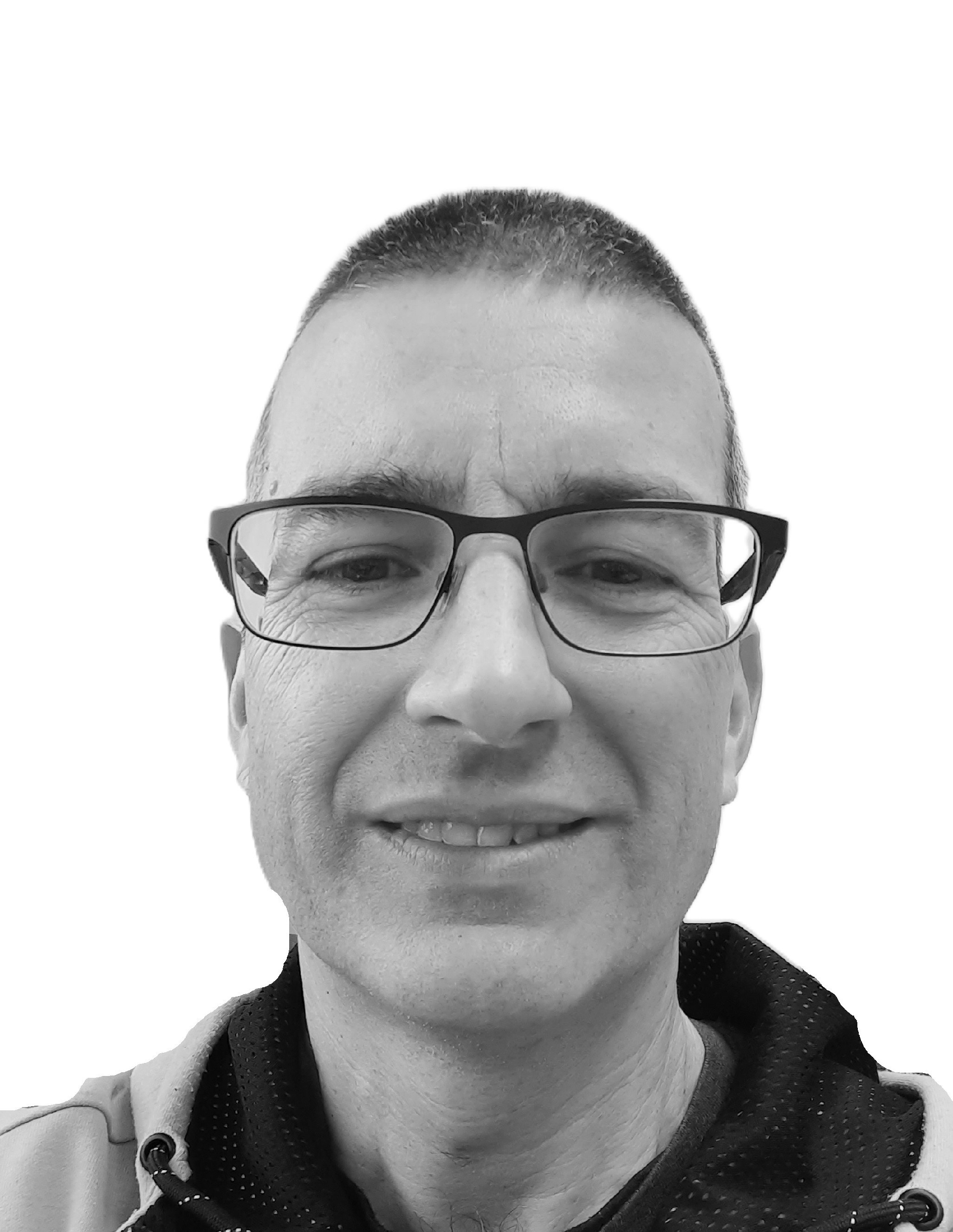
Dr. Josep Soler
WP09 Lead | IDAEA-CSIC | Email
WP09 Modelling of Laboratory Experiments
Dr. Soler is a scientific researcher at the Institute of Environmental Assessment and Water Research (IDAEA) at the Spanish National Research Council (CSIC) in Barcelona. He holds a Ph.D. in Geochemistry from Yale University and specializes in reactive transport modeling, hydrogeochemistry, and the interaction of geological materials with fluids. His research focuses on topics such as radioactive waste disposal, CO₂ sequestration, and the chemistry of Portland cement. Dr. Soler has contributed significantly to the understanding of solute transport and geochemical processes, with numerous publications in these areas.
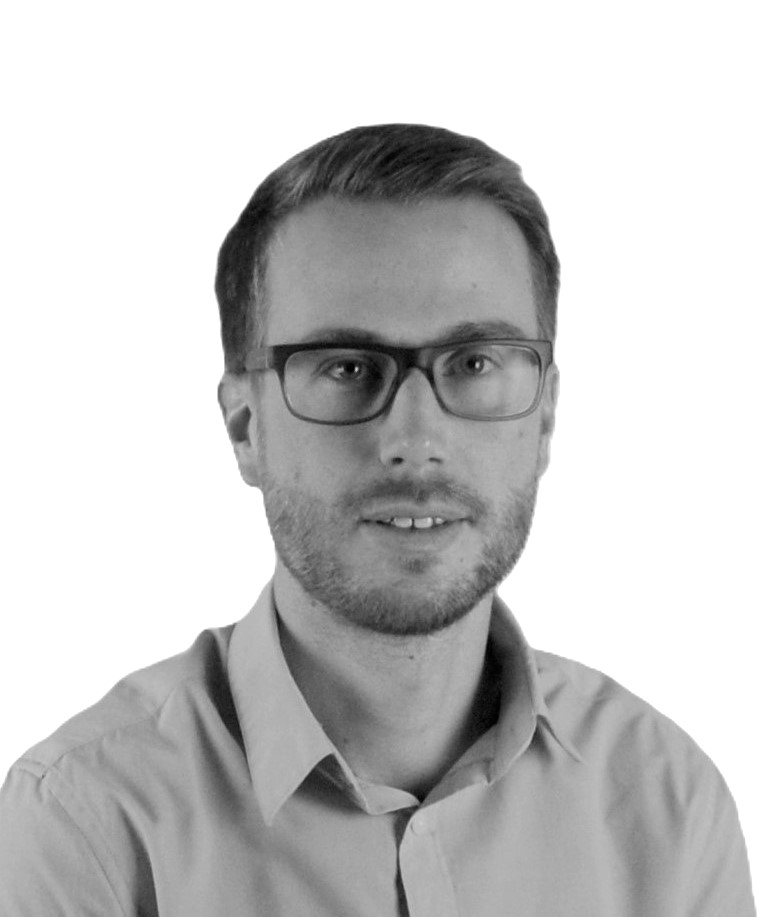
Dr. Birger Hagemann
WP10 Lead | TUC | Email
WP10 Upscaling and Modelling at the Reservoir Scale
Dr. Hagemann is leading a research group at the Institute of Subsurface Energy Systems at Clausthal University of Technology (TUC), Germany. He holds a doctoral degree in Petroleum Engineering. His research focuses on subsurface energy systems, particularly underground hydrogen storage, gas diffusion processes, and microbial growth in subsurface reservoirs. Dr. Hagemann has contributed significantly to advancing energy storage technologies and was awarded the Georg-Hunaeus-Preis for his doctoral thesis. He has co-authored several publications in the field and continues to play a key role in energy storage research.
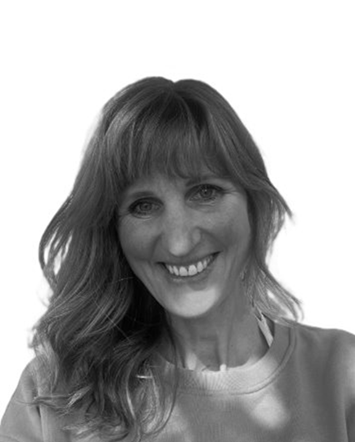
Dr. Eike Marie Thaysen
WP11 Lead | IDAEA-CSIC | Email
WP 11 Guidelines for Risk Management and Site-Screening
Dr. Thaysen is an environmental chemist with seven years of highly international and multidisciplinary work experience (research, environmental consulting and project management). Her main line of investigation is the deep subsurface microbial, geochemical and physical processes that are relevant to underground hydrogen storage (UHS) in porous media. Authoring a total of 20 publications and technology transfer reports within the field of UHS, Dr. Thaysen´s work has had a high impact on the research community and industry. Dr. Thaysen’s core expertise are advanced experimental techniques, such as fluid flow and reaction experiments at high temperature and pressure, as well as X-ray imaging to study gas transport and trapping. She earned her doctorate in 2013 from the Danish Technical University and is currently employed at the Spanish National Research Council (CSIC).
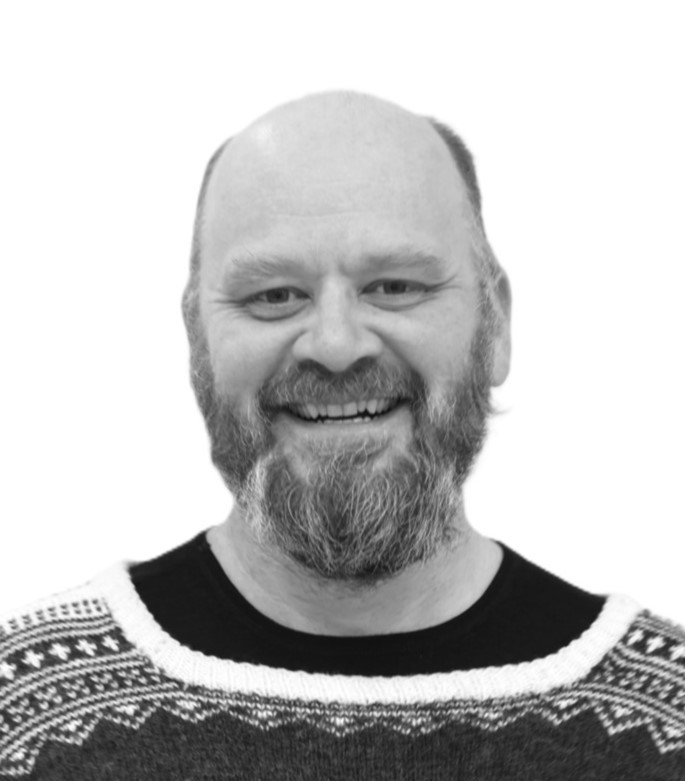
Prof. Geir Ersland
WP12 Lead | UiB | Email
WP12 Data Management
Prof. Ersland is the research director of NCS2030 and a distinguished academic at the University of Bergen (UiB), specializing in energy technologies and environmental sustainability. His research focuses on Carbon Capture, Utilization, and Storage, hydrogen storage, and natural gas hydrates. He has made significant contributions to understanding subsurface processes, including CO₂ sequestration and greenhouse gas mitigation strategies. Prof. Ersland’s work also explores microbial hydrogen consumption in porous media, utilizing advanced imaging techniques. Throughout his career, he has mentored students and collaborated with international research communities to advance knowledge in energy and environmental sciences.
External Expert Advisory Board
The External Expert Advisory Board (EEAB) is composed of distinguished members representing the full spectrum of scientific disciplines. They are appointed to provide independent guidance and strategic advice to the HyDRA consortium, ensuring scientific quality and interdisciplinary integration.

Prof. Anthony Kovscek
Stanford University | Email
Prof. Kovscek is the Keleen and Carlton Beal Professor at Stanford University. He codirects the Stanford University Energy Transition Research Institute (SUETRI-A) and the Stanford Center for Carbon Storage. Prof. Kovscek and his research group develop and apply advanced imaging techniques, experimentation, and models to understand strongly coupled, multiphase, nonequilibrium, chemical and physical processes in porous media. Applications include underground hydrogen generation & storage as well as geological carbon storage. He is a member of the U.S. National Academy of Engineering and was honored to receive the the John Franklin Carll award for distinguished contributions to engineering, the Lester C. Uren award for distinguished achievement, and the Distinguished Achievement Award for Faculty from the Society of Petroleum Engineers.

Prof. Alexis Templeton
University of Colorado Boulder | Email
Prof. Templeton is a geochemist and geomicrobiologist with expertise in subsurface systems undergoing active water/rock interaction. She utilizes spectroscopic, mineralogical, geochemical, microbiological and isotopic tools to quantify controls on the production and consumption of energy sources such as hydrogen and methane. Prof. Templeton has built several interdisciplinary research programs at the University of Colorado, including the Rock-Powered Life NASA Astrobiology Institute (2015-2022), leading 11 institutions in the exploration of how hydrogen-producing water rock reactions sustains life on Earth and other rocky bodies in our solar system, and now the Rock-Hydrogen Project (2023-2027), which is a consortium of 8 academic, industry and philanthropic partners to assess the potential for stimulating the production of geological hydrogen as a low-carbon energy source.

Prof. Philippe Van Cappellen
University of Waterloo | Email
Prof. Van Cappellen is the Canada Excellence Research Chair laureate in Ecohydrology at the University of Waterloo. His research combines laboratory and field observations with theoretical developments to predictively understand the processes that regulate water chemistry, carbon and nutrient cycling, geomicrobial activity, and mineral transformations – in agricultural and urban landscapes, rivers, groundwater and lake systems, and marine environments. His work also includes the environmental fate and transport of trace contaminants, the development of new water quality sensors, and the use of remote sensing and climate projections to forecast future changes in lake and soil biogeochemistry.
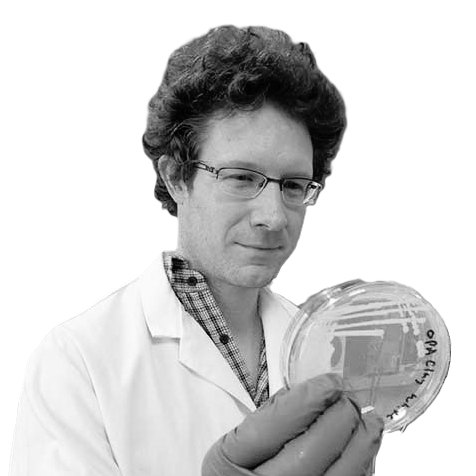
Dr. Simon Gregory
British Geological Survey| Email
Dr. Gregory leads the microbiology research at BGS. His team works on understanding the interactions between microorganisms living beneath the Earth’s surface and their environment. This includes understanding how our use of the subsurface for energy storage, waste disposal and heat extraction affects the microbial communities that are there and how that could affect industrial operations through microbiologically influenced corrosion, bio-clogging and the microbial production and consumption of gases. His laboratory also works on methane cycling in soils, groundwater and wetlands, biomining and the stabilisation of slopes and coastal environments though microbial precipitation of minerals.
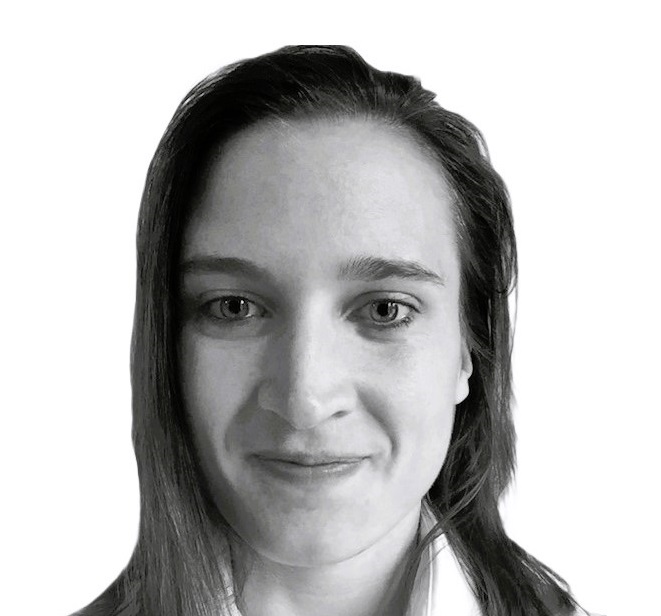
Dr. Hannah Menke
Heriot-Watt University | Email
Dr. Menke is an Associate Professor of Integrated AI for GeoEnergy Applications at Heriot-Watt University, co-leading the DigiPorFlow group and co-founding the GeoChemFoam project. With a PhD in Earth Science and Engineering from Imperial College London, a master’s from Colorado School of Mines, and a BS from Columbia University, she bridges experimental fluid mechanics, computational modeling, and machine learning to develop data-driven strategies for sustainable energy production, water resource management, and environmental sustainability.
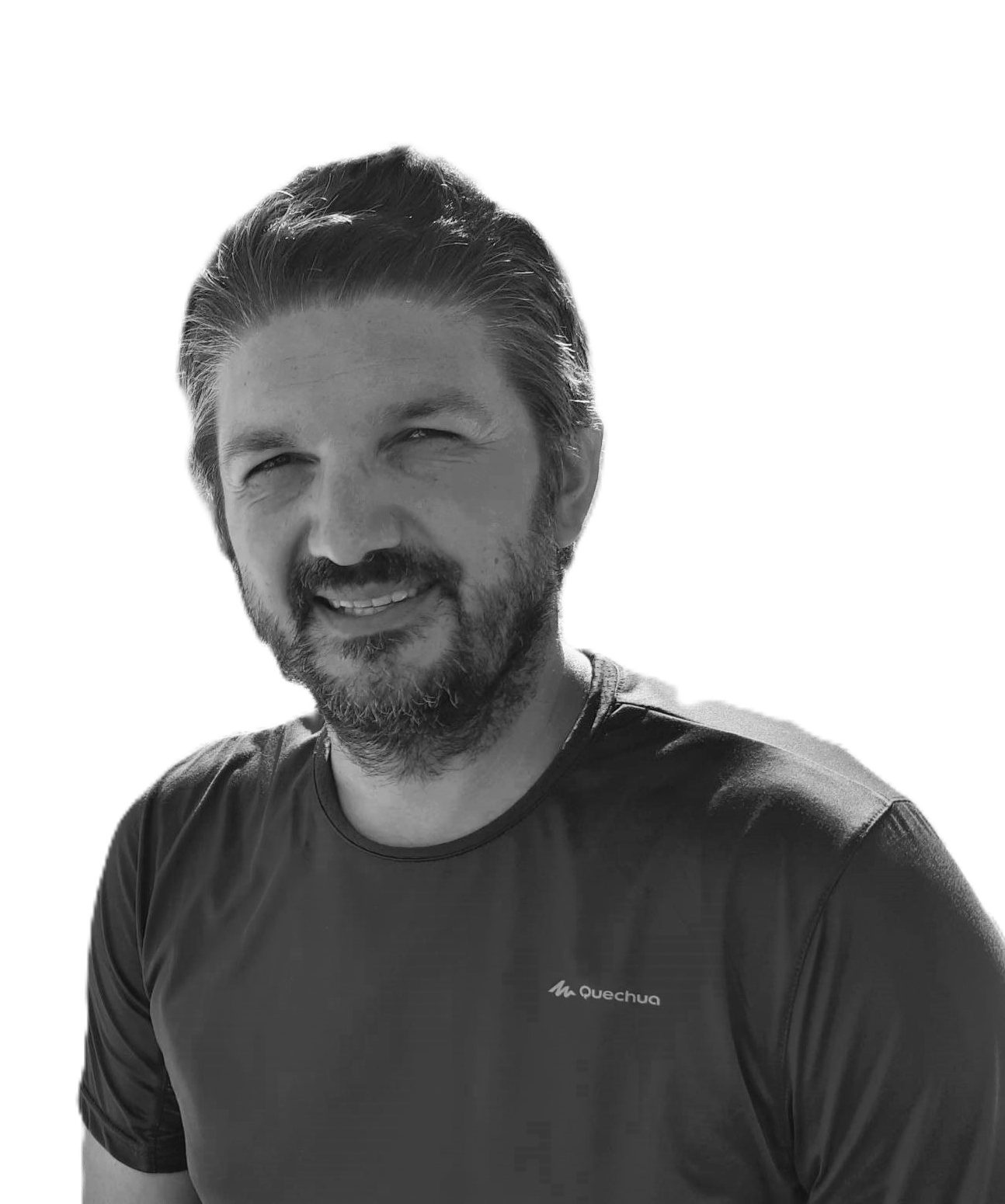
Dr. Anthony Ranchou-Peyruse
University of Pau and Pays de l’Adour | Email
Dr. Ranchou-Peyruse studies the Microbiology of Deep Continental Environments at the University of Pau and Pays de l’Adour in France. For many years, he has been working with subsurface industries to understand the interactions between microorganisms and human activities. He holds an industrial chair dedicated to the study of microorganisms and H2 reactivity in the underground, and is the co-founder of a joint industry-university laboratory studying the arrival of new gas mixes in Underground Geological Storage (UGS).
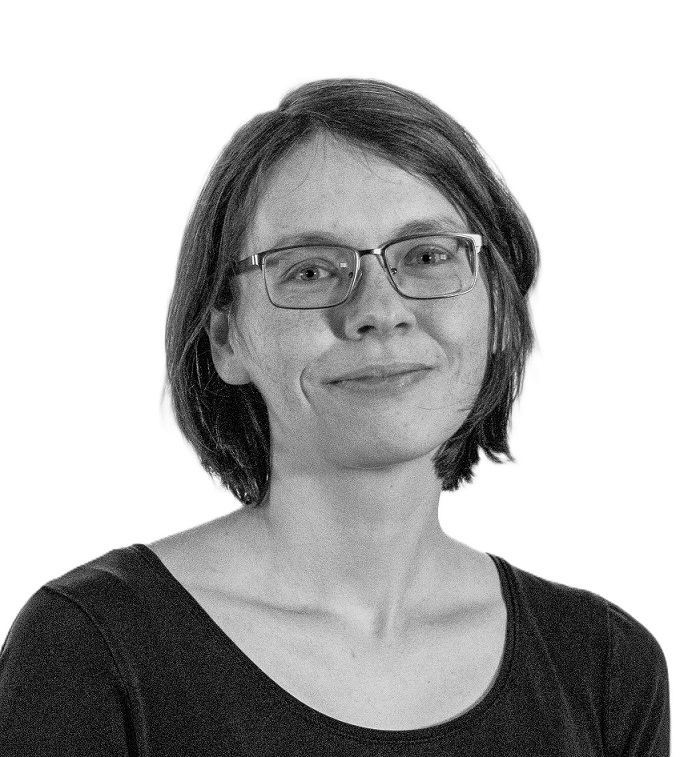
Dr. Nicole Dopffel
NORCE Norwegian Research Centre | Email
Dr. Dopffel is a senior researcher at NORCE Norwegian Research Centre in Bergen, specializing in environmental and industrial microbiology. In the recent years her research has centered on microbial processes in different subsurface environments, with a strong focus on hydrogen underground storage. She leads and contributes to several interdisciplinary projects exploring microbial risks, biofilm formation, and hydrogen consumption in porous media, aiming to support sustainable energy solutions.
 HyDRA - diagnostic tools and risk protocols to accelerate underground hydrogen storage