
Over the past year, HyDRA has been actively formalizing collaboration agreements with storage site operators (SSOs) across Europe and Oceania, while simultaneously advancing its sampling and analysis processes.
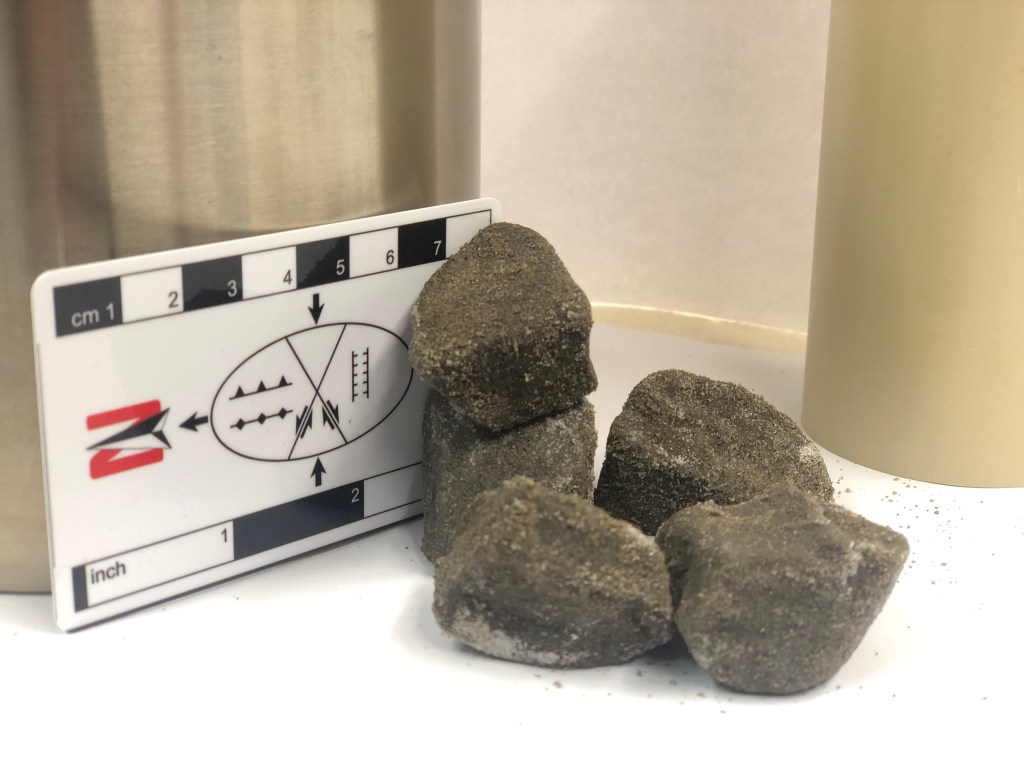
Fluid and rock samples, including core plugs and drill cuttings, from porous rock reservoirs have been collected following standardized HyDRA protocols, ensuring consistency and traceability.
Sampling Collection
The first eight fluid samples from porous rock reservoirs are currently being incubated under a hydrogen atmosphere to simulate underground hydrogen storage, with gas composition monitored regularly to track microbial hydrogen consumption.
Concurrently, these samples have been sent for sequencing to characterize the resident microbial communities. Further analyses will include petrophysical and petrographic characterization of the rocks. Geochemical batch experiments will be designed and performed under simulated reservoir conditions.
Geochemical Round Robin Tests
To ensure alignment with the microbial studies, samples have been distributed to partner laboratories for interlaboratory Geochemical Round Robin testing. These experiments follow a collaboratively developed standardized protocol, conducted at reservoir temperature of 80°C, allowing a robust comparison of results across laboratories under consistent conditions, while also allowing assessment of potential impacts from variations in pressure and timescales.
Existing geological data from EU gas storage sites—including lithology, temperature, pressure, and operational status—have been compiled, and a comprehensive inventory of samples and planned experiments has been created. Each sample is tracked using HyDRA’s unique internal codes to ensure metadata integrity across laboratories. Identical rock samples have been distributed to each partner and are currently undergoing laboratory investigation.

Closer to Realizing Subsurface Hydrogen Potential
With these ongoing efforts, HyDRA continues to build a robust, collaborative framework for understanding subsurface hydrogen storage. By integrating field data, laboratory experiments, and interlaboratory comparisons, the project aims to generate insights that will help ensure safe, efficient, and sustainable hydrogen storage in porous rock reservoirs. In the coming months, further analyses of additional samples will expand our knowledge and bring us closer to realizing the potential of underground hydrogen as a cornerstone of a low-carbon energy future.
 HyDRA - diagnostic tools and risk protocols to accelerate underground hydrogen storage
Leave a comment