

On 3-4 September, the HyDRA consortium held a 2-days strategic gathering in Naples, Italy, to discuss the project progression. Participants from partner universities, storage site operators, and the External Expert Advisory Board gathered from across Europe, New Zealand, and the United States.
A Day of Collaboration, Progress, and Dialogue
On Day 1, 40 participants gathered at the sunny and scenic Villa Ferretti in Bacoli—with some joining virtually—to share knowledge, exchange ideas, and present updates on the progress across the project’s various work packages. Members from each work package shared exciting developments within the HyDRA project, with a particular focus on ongoing sampling procedures, and received valuable, continuous feedback.
The day also featured several breakout sessions, offering participants the opportunity to learn from one another—especially through the practical insights provided by the storage site operators (SSOs) and the expert guidance from the External Expert Advisory Board (EEAB). These contributions are helping to clarify key challenges and pave the way for smoother, more effective progress going forward. It was a productive and inspiring day, marked by meaningful discussions, collaboration, and a strong sense of community.

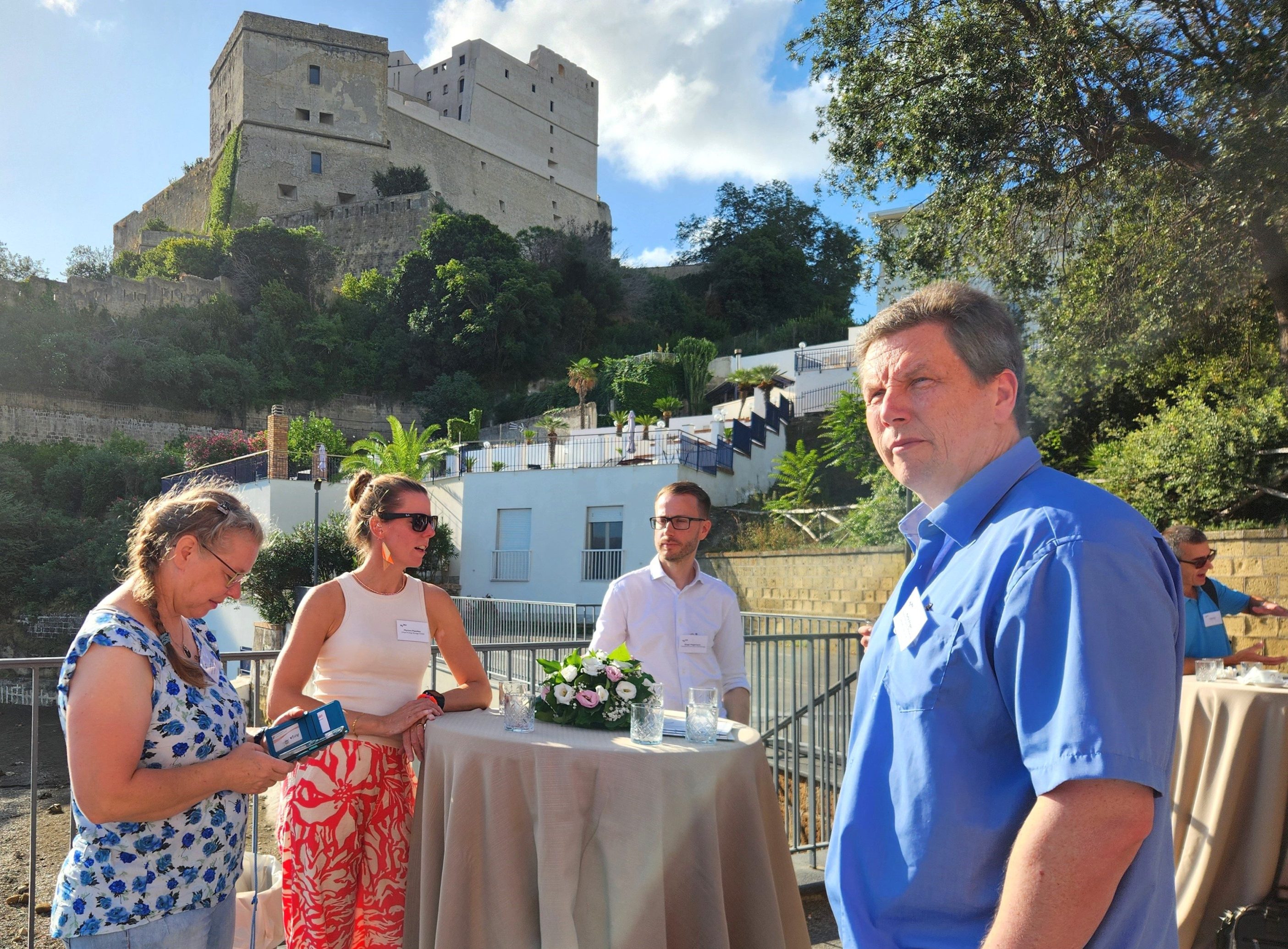

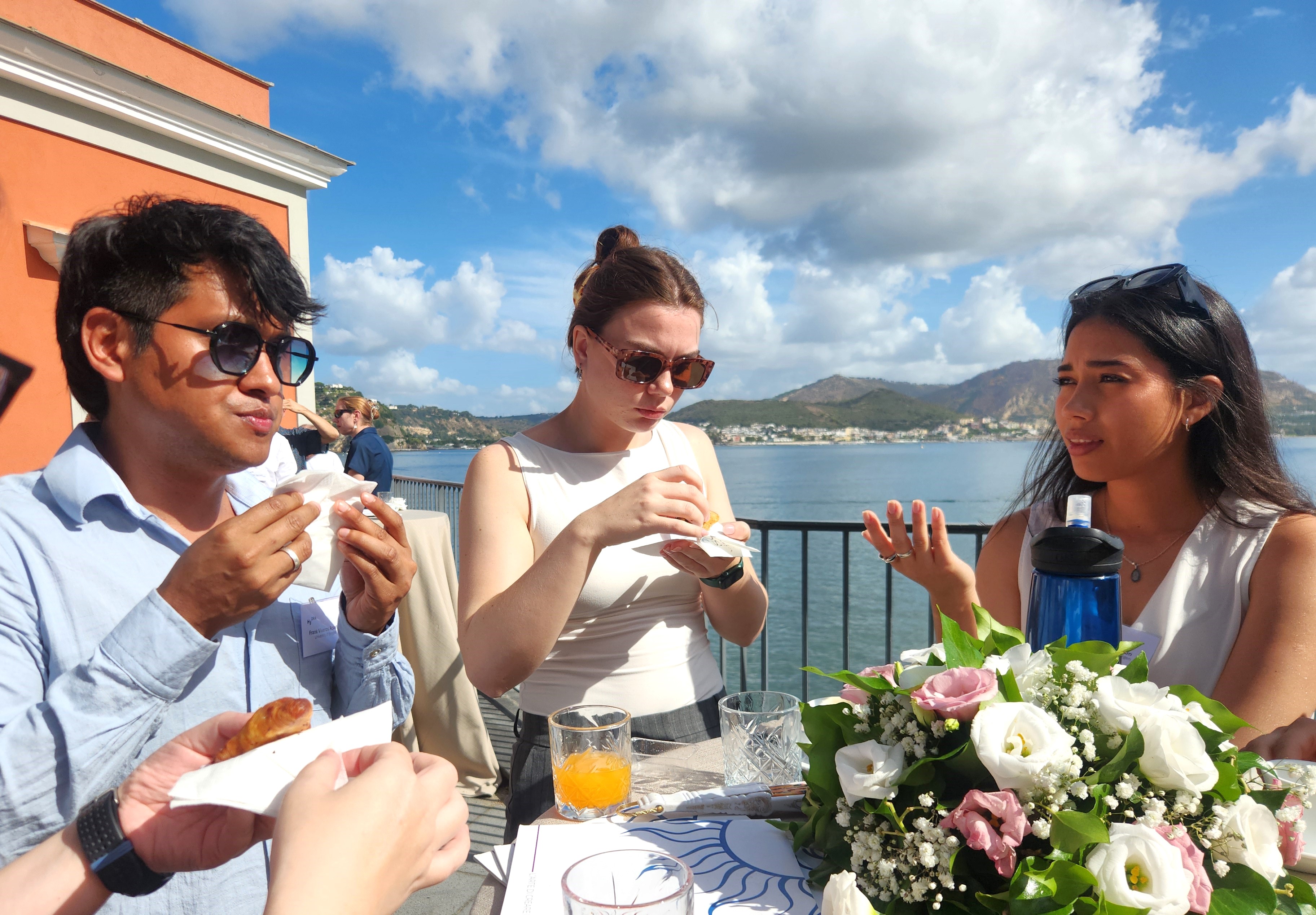
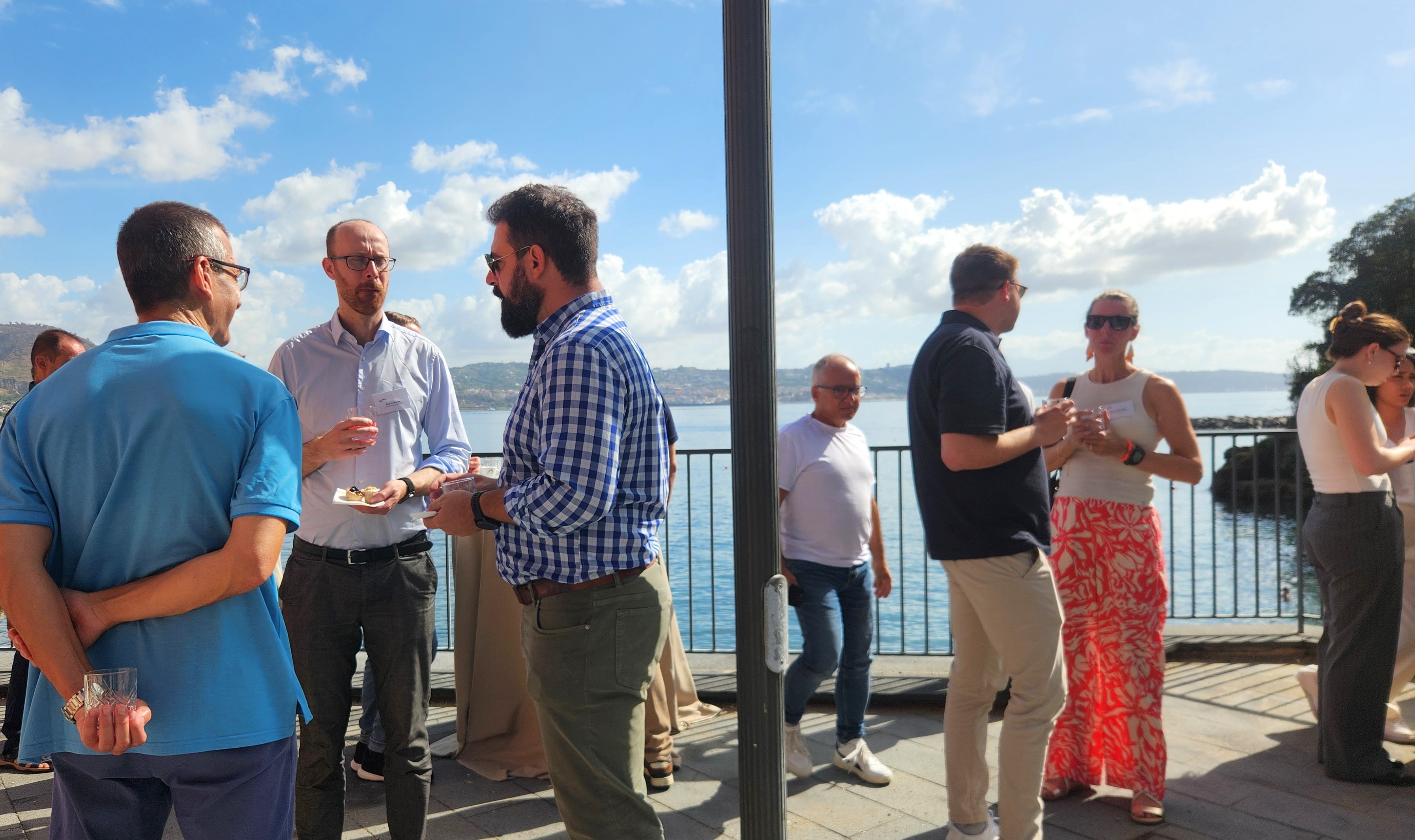
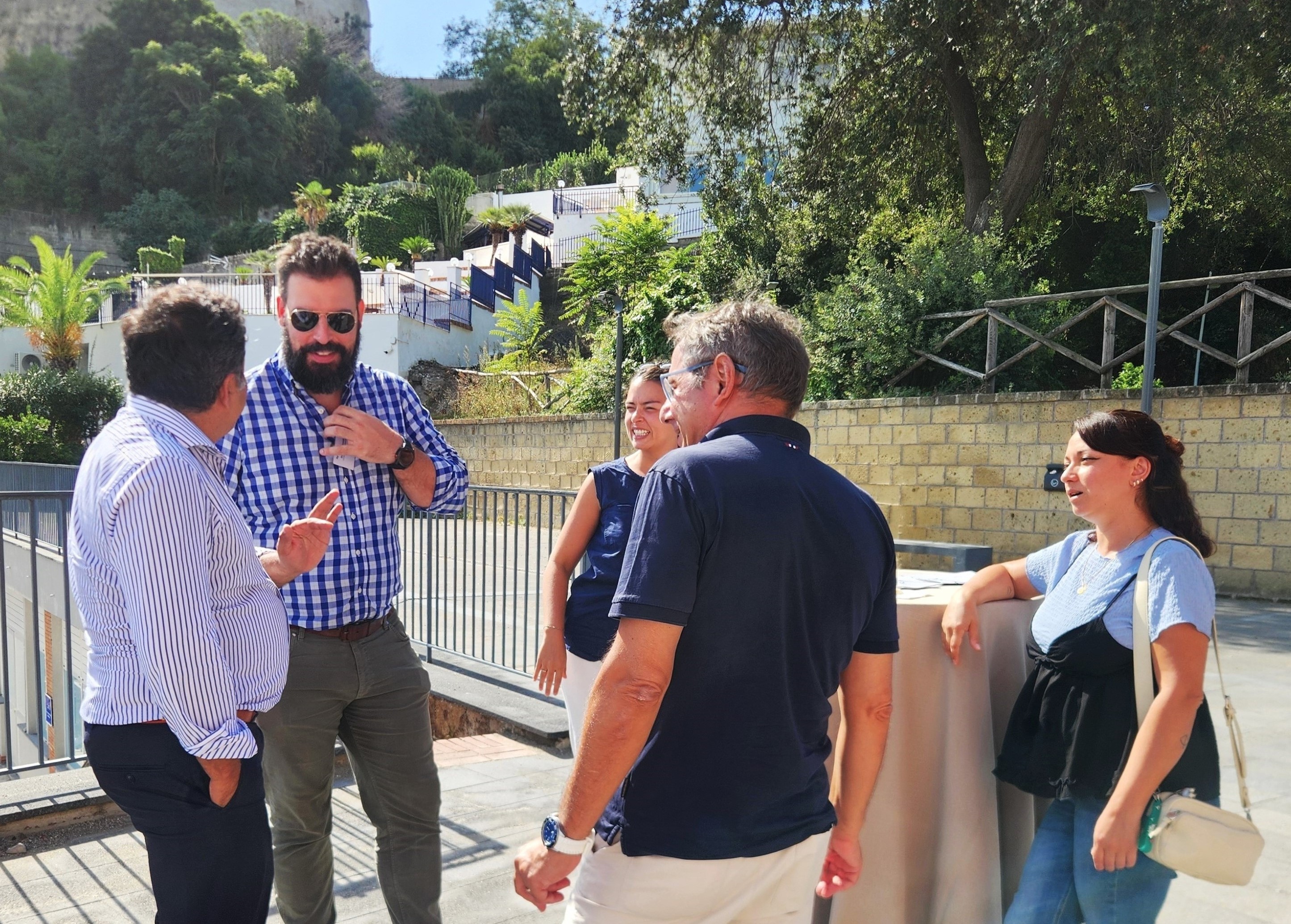
Engaged discussions and mingling during coffee breaks at the beautiful Villa Ferretti.
From Surface to Subsurface
On the second day, the participants journeyed to the Phlegraean Fields, one of Europe’s most geologically active calderas. Under the guidance of volcanologist Prof. Claudio Scarpati from the University of Naples Federico II (UNINA), the group was provided detailed explanations of the area’s volcanoes and craters. The field trip was both educational and highly engaging, offering a deeper understanding of Naples’ unique geological landscape.
For our geologists, the excursion offered a valuable opportunity to reflect on the complexity of geological settings, insights that can also inform our understanding of subsurface behavior, which is crucial for underground hydrogen storage.


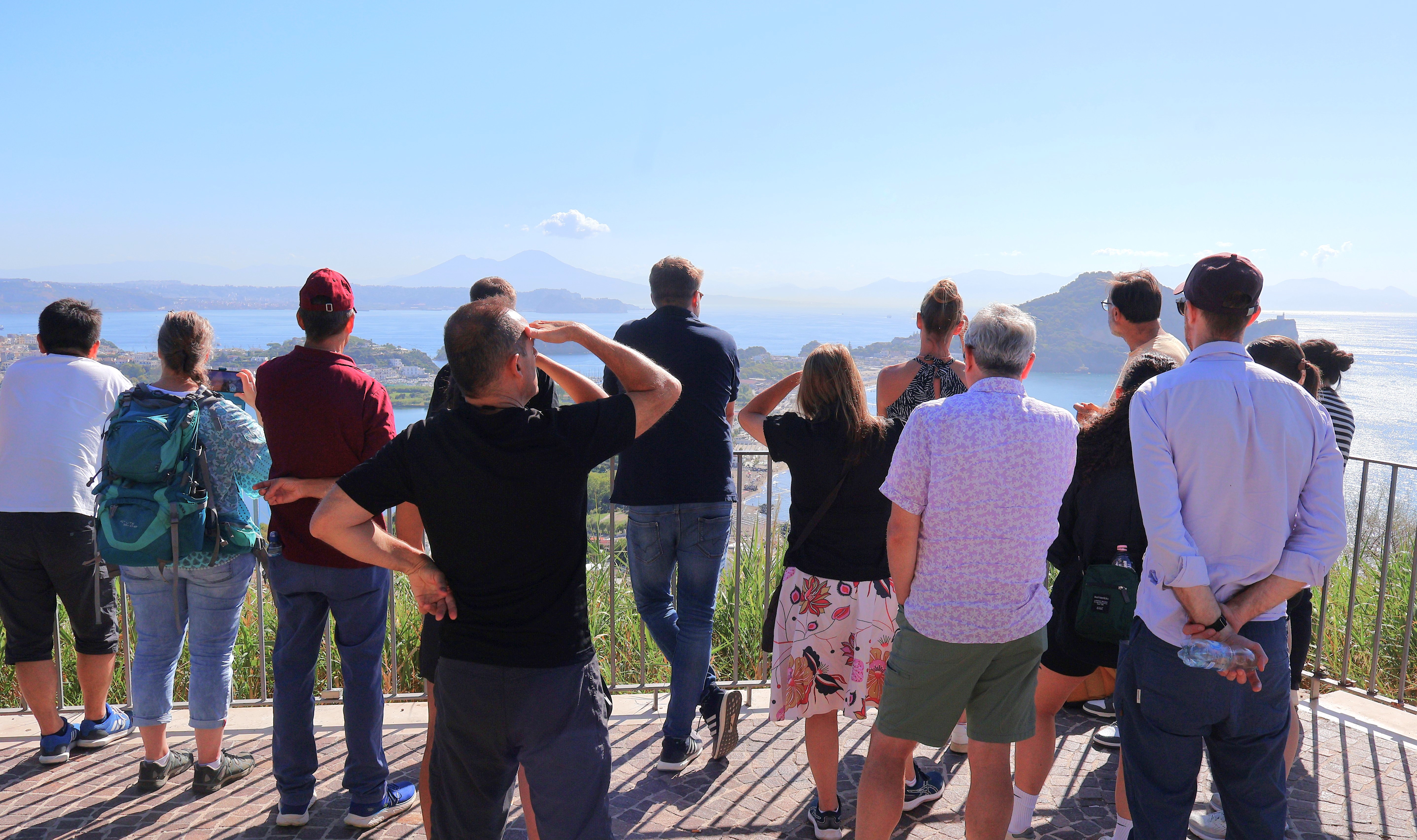


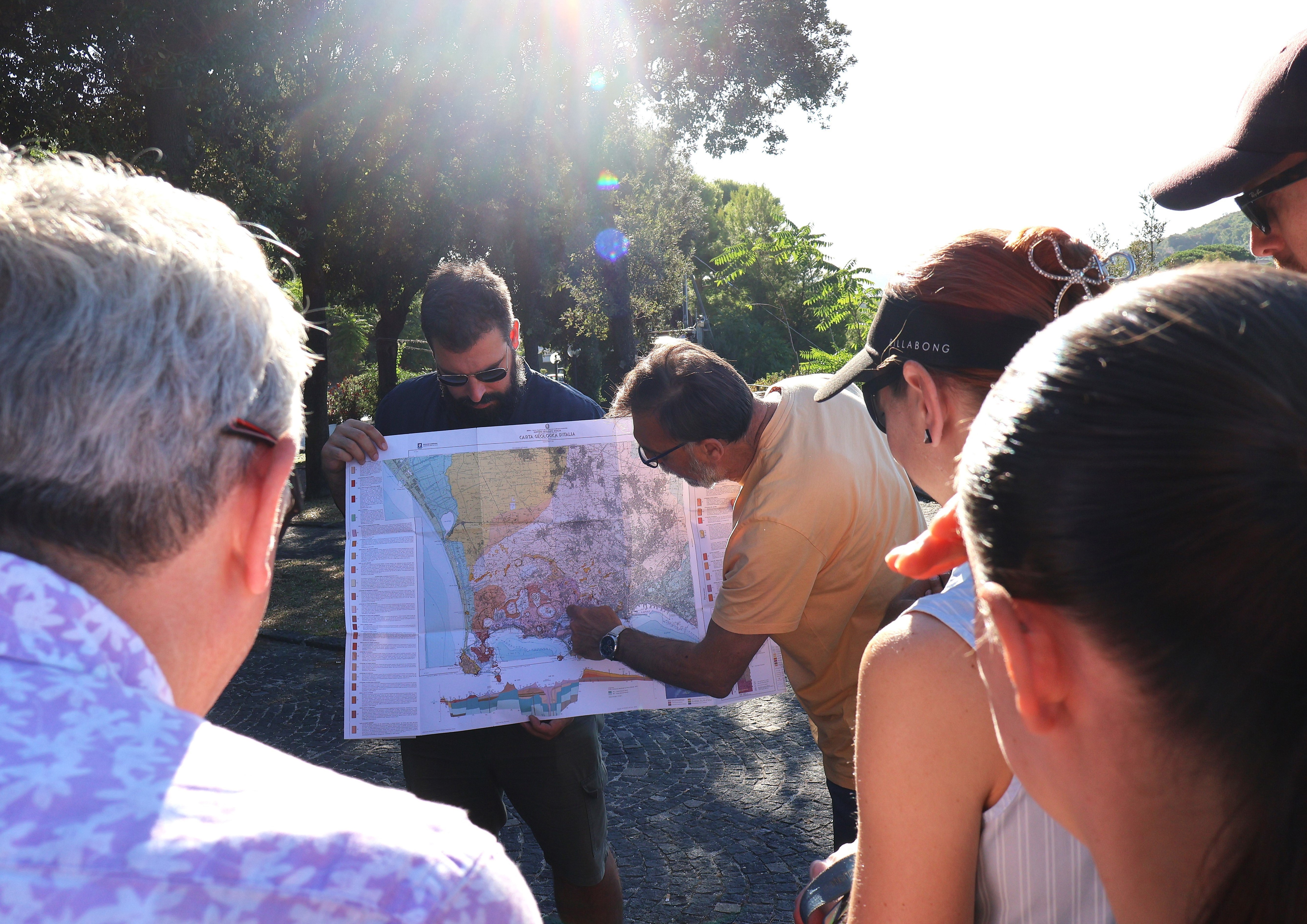
The participants were given a detailed tour of the Phlegraean Fields (also known as Campi Fleigrei) by volcanologist Prof. Claudio Scarpati (bottom middle picture).
Bringing Field Science to the Lab
The gathering ended with a tour at the labs at UNINA, guided by Prof. David Iacopini and Prof. Donato Giovannelli. The group was introduced to a range of laboratory equipment, analytical capabilities and cutting edge techniques used for geochemical and microbiological field sampling and molecular characterization. The tour deepened the understanding of how field-collected data is translated into scientific insights, further linking theory to practice.
Prof. Alexis Templeton, a microbiologist from the University of Colorado Boulder and a member of HyDRA’s EEAB, specializes in microbe–mineral interactions. She visited the labs of UNINA ahead of the workshop specifically to gain deeper insight into the ongoing work.
“It’s exciting and timely to see the excellent expertise gathered together in the HyDRA project to address the challenges of quantifying hydrogen dynamics and minimizing hydrogen loss in underground porous storage reservoirs,” says Prof. Templeton.
“A powerful combination of collaborative experiments and modeling conducted at the lab and field scale are underway!”

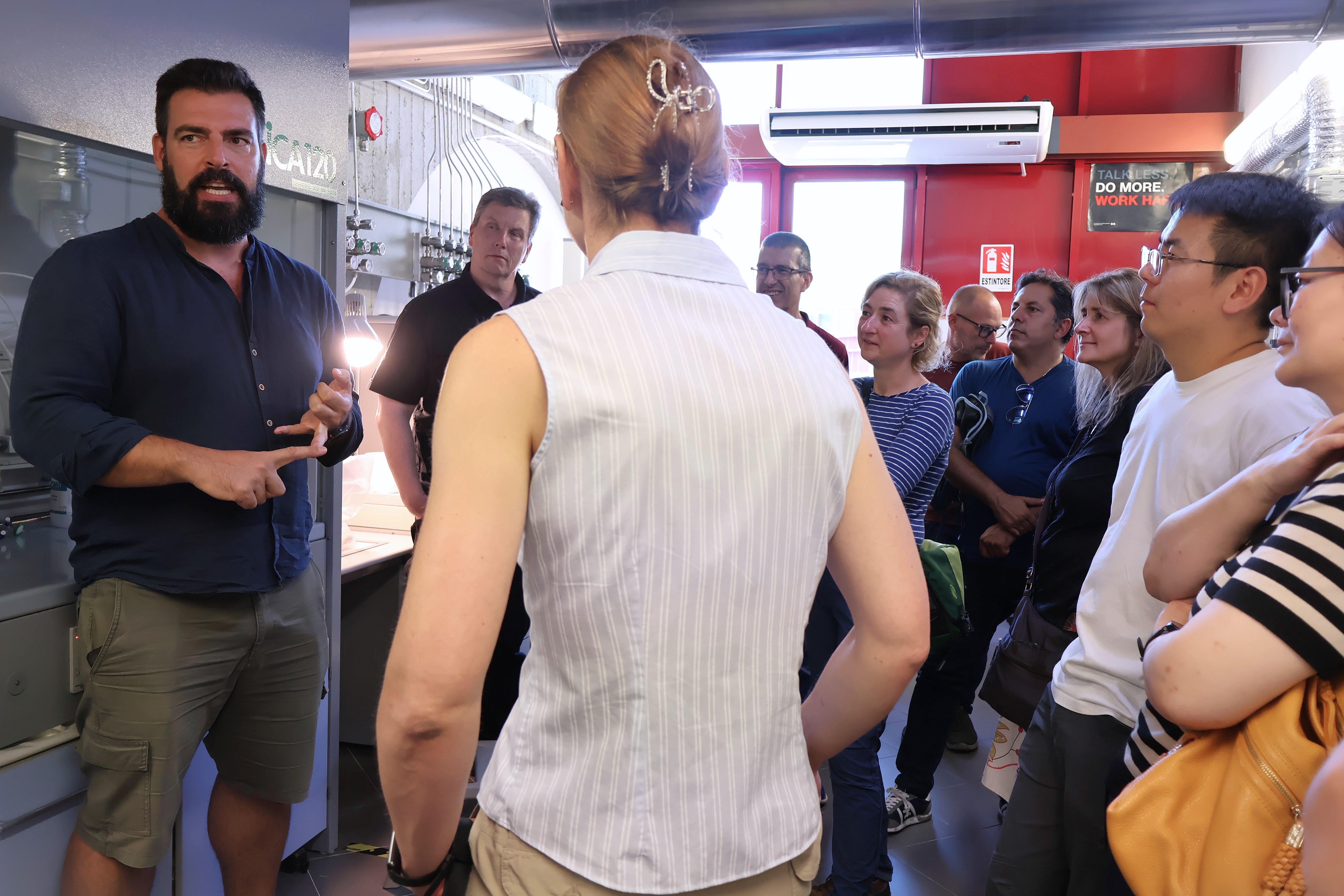

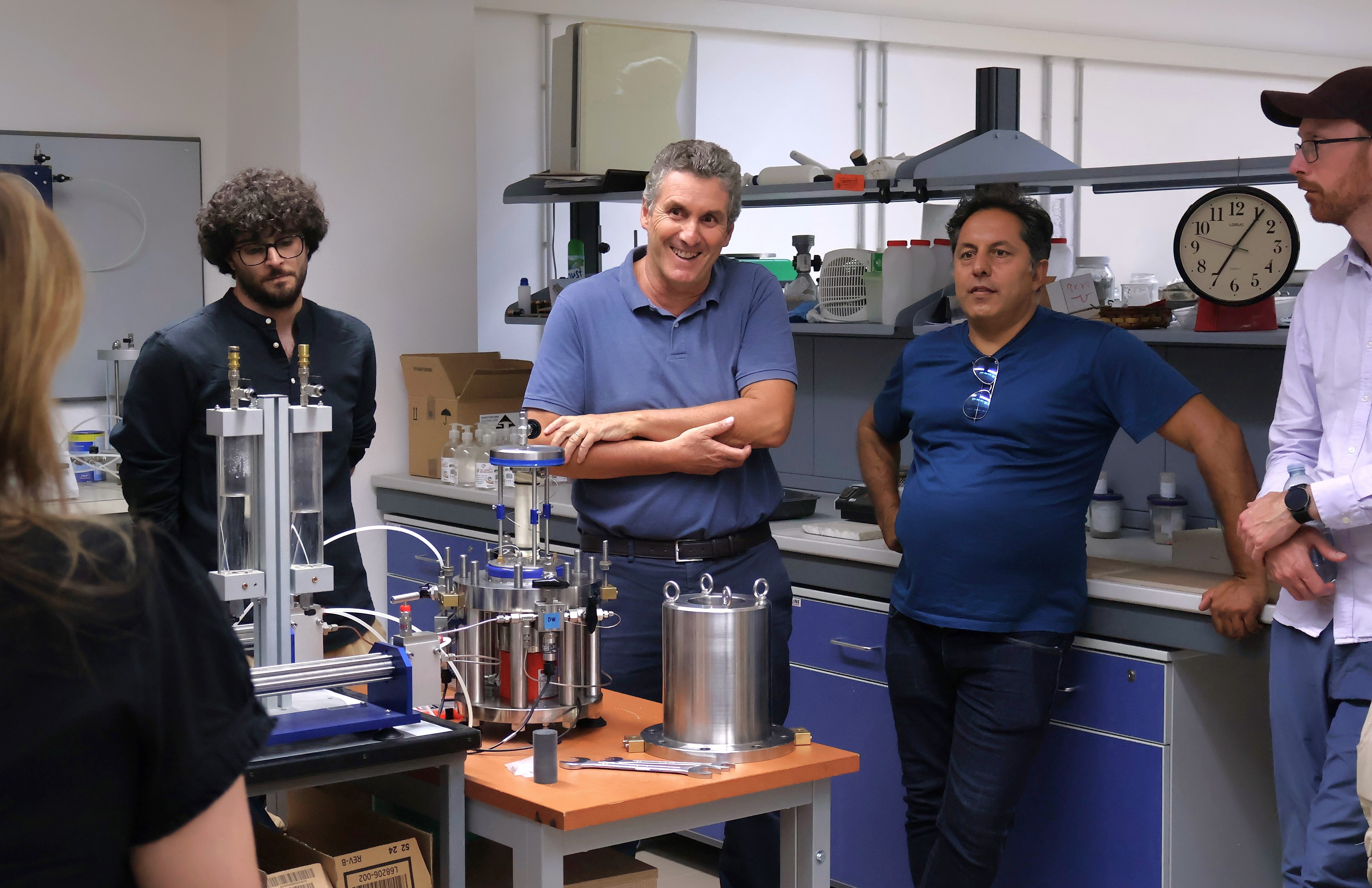

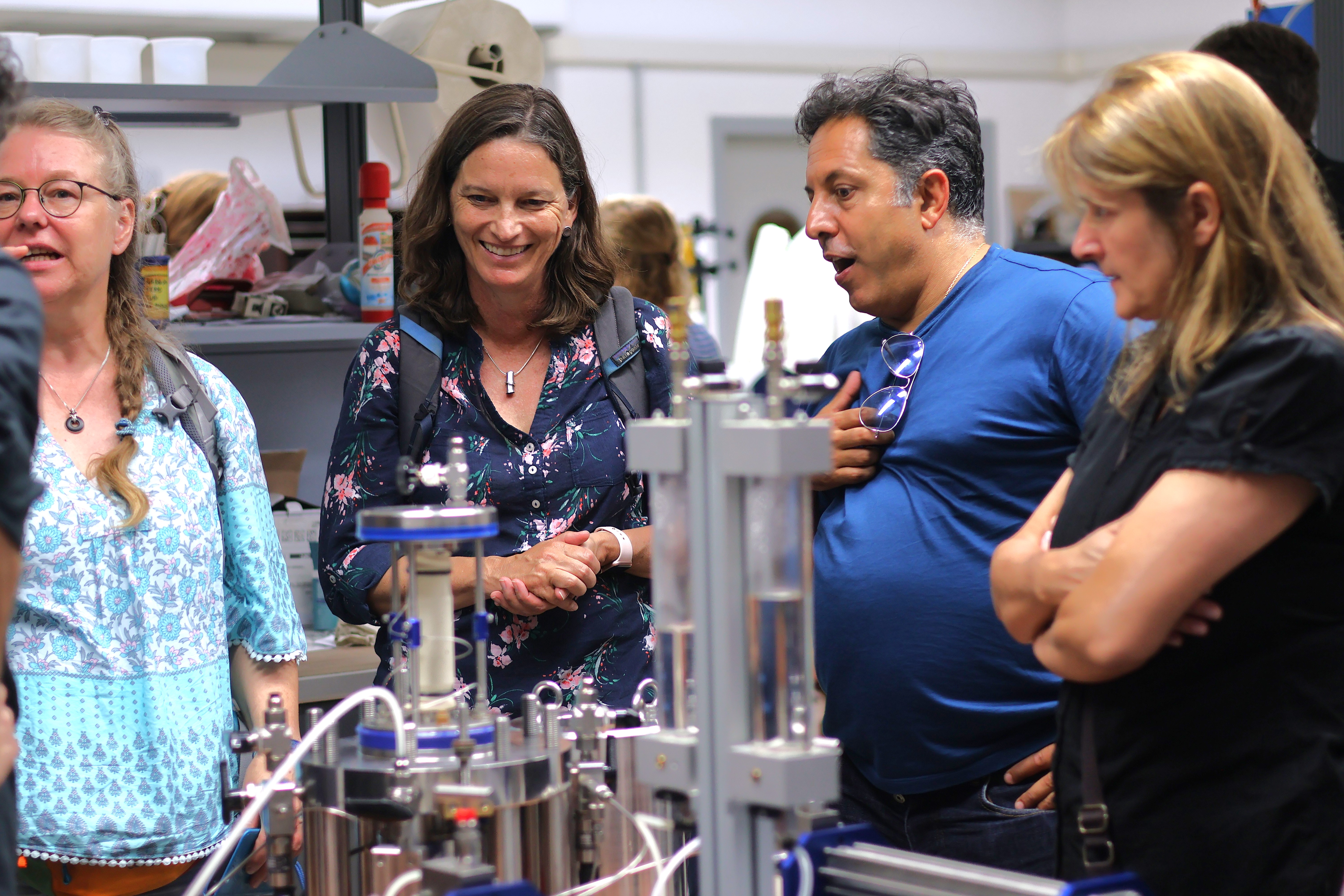
Prof. Donato Giovannelli (upper left) and Prof. David Iacopini (bottom left) led an engaging tour of UNINA’s lab facilities, with Prof. Templeton pictured (bottom right).
A huge thank you to Prof. David Iacopini and Prof. Donato Giovannelli for organizing such a successful and engaging event. The gathering offered valuable academic enrichment and added excitement to the project’s forward momentum. We look forward to the continued progress and collaboration ahead!
 HyDRA - diagnostic tools and risk protocols to accelerate underground hydrogen storage
Leave a comment